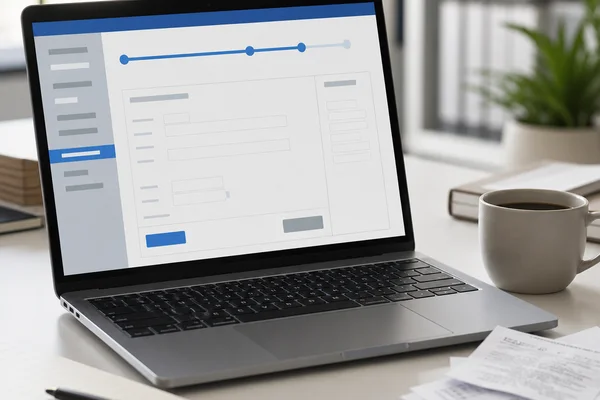
'Where's My Refund?' Gets an Upgrade at the IRS
The tracking tool now shows clearer status messages and works earlier in the season.
By Income Tax Centre Editorial Team · June 25, 2026
News and updates from the Internal Revenue Service, including filing seasons, guidance, and taxpayer services.
The tracking tool now shows clearer status messages and works earlier in the season.
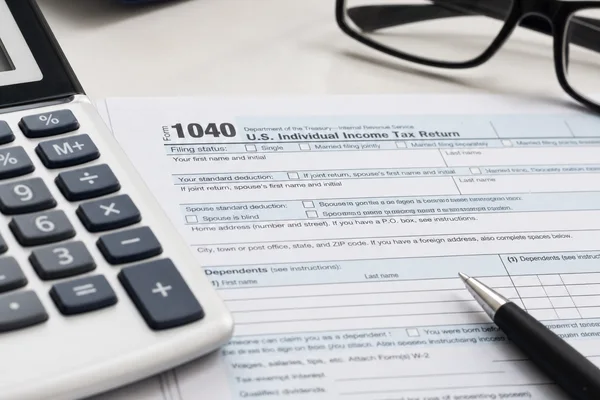
Annual inflation adjustments lift the standard deduction and reshape who itemizes.

Volunteers prepare returns at no cost for lower-income filers, seniors, and others.

Wider income bands mean many workers keep more of a raise before moving up a bracket.
The government's own free filing tool grows, offering an alternative to paid software.

The agency begins accepting returns as taxpayers weigh new thresholds, refund timing, and free-file options.

Impersonators use phone, text, and email to steal money and identities during filing season.
Taxpayers can now view balances, payment plans, and notices in one digital dashboard.

Most refunds go out within 21 days, but credits, paper returns, and reviews can slow the clock.
Short-term and long-term installment agreements spread the cost and limit collection action.
First-time abatement and reasonable-cause relief can erase penalties for eligible filers.

The per-mile figure for business driving shifts with fuel and vehicle costs.
Lenders, colleges, and filers often require the free record of your account.
Multiyear funding targets phones, paper backlogs, and aging systems.

Sellers on Venmo, PayPal, and marketplaces face lower reporting limits after repeated delays.

Missing the four annual payment dates can trigger penalties even if you get a refund.

Audit rates remain low overall, but they vary sharply by income and return type.
Funding and hiring have cut wait times, though paper returns remain the slow lane.
The six-digit code blocks fraudulent returns filed in your name — and anyone can now enroll.
Form 1040-X lets you correct errors, and the process is now partly electronic.