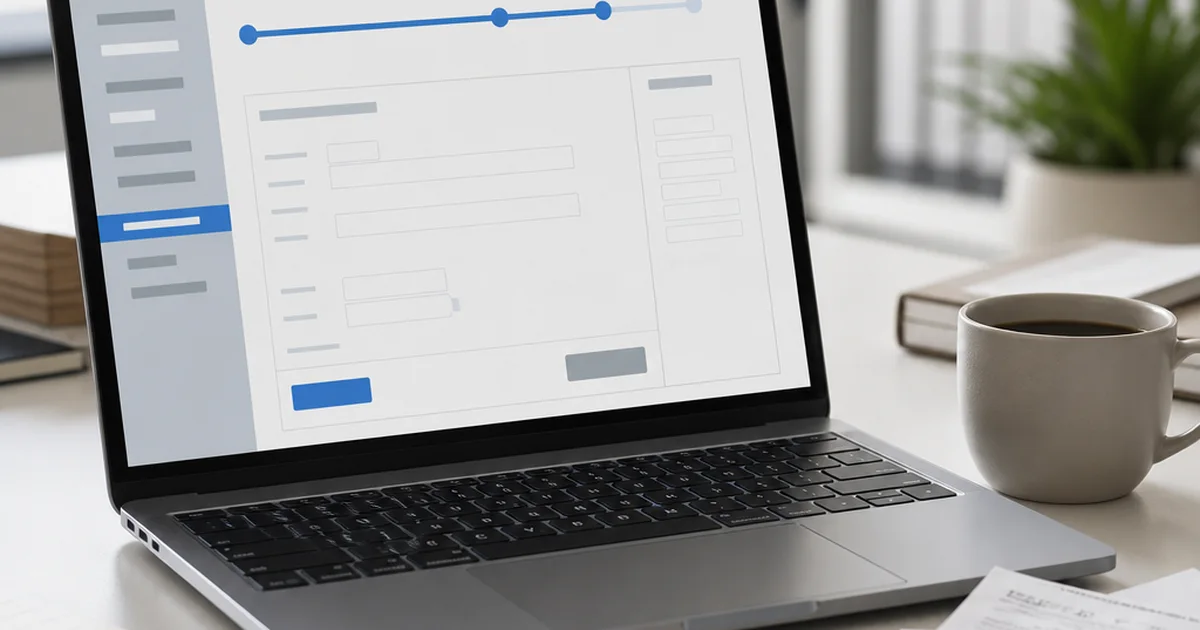
The IRS online account gives individual taxpayers a secure digital hub to view balances, make payments, set up plans, access notices, and retrieve tax records. The agency has steadily added features as part of its modernization push.
At the center of it is a straightforward fact: an IRS online account lets you view your balance, payment history, and certain notices.
For years, taxpayers had to call or write the IRS for basic information about their accounts. That backdrop is what makes the details worth understanding rather than skimming.
What follows is a plain-language breakdown: where this came from, exactly what it says, how it affects different kinds of filers, and what to do about it. Every figure below traces back to official guidance, so you can rely on it when you sit down to file.
The Story So Far
For years, taxpayers had to call or write the IRS for basic information about their accounts. Modernization funding has prioritized self-service digital tools, and the online account is central to that effort.
The broader picture is worth holding in mind. Tax rules rarely change in isolation; an adjustment in one provision often interacts with deductions, credits, and thresholds elsewhere in the code. That interconnection is exactly why taxpayers who understand the reasoning behind a rule tend to make better decisions than those who simply react to the headline figure.
Understanding where this comes from makes the particulars easier to follow. The specifics below are the part that translates policy into a real number on your return.
The Numbers Behind the Headline
The details reward a close read. Here is what stands out:
- You can make payments, set up or manage payment plans, and access tax records through the account.
- Access requires identity verification through the IRS's secure sign-in process.
- The agency continues to add digital tools to reduce the need for phone calls and mail.
You can make payments, set up or manage payment plans, and access tax records through the account. Small as it may look, this is where a lot of avoidable mistakes originate.
Access requires identity verification through the IRS's secure sign-in process. This is the kind of specific that tax professionals check first, because it drives so much of what follows.
Reading Between the Lines
The significance of this goes beyond a single filing season.
For years, taxpayers had to call or write the IRS for basic information about their accounts. Modernization funding has prioritized self-service digital tools, and the online account is central to that effort. For readers, the takeaway is not to memorize every figure but to recognize the pattern: the rules that govern this area reward attention and punish neglect, often quietly and often long after the decision that caused the problem.
This is also where misinformation does the most damage. Social media and search results are full of confident claims about how this works — many of them outdated, oversimplified, or quietly selling a product. Anchoring your understanding in official guidance is the single best defense against advice that sounds authoritative but costs you money.
What It Means for Taxpayers
The effects are not evenly distributed. Depending on your situation, this could mean a larger refund, a smaller bill, or simply a different set of steps at filing time.
- You can resolve many routine tasks without waiting on hold.
- Digital access to notices helps you respond faster and avoid missed deadlines.
- Setting up the account in advance is useful before you actually need it.
You can resolve many routine tasks without waiting on hold. The practical size of that effect varies from one return to the next, so the smart move is to run your own numbers rather than assume the headline outcome applies to you.
Setting the Record Straight
Some of the most common questions about this reveal where the confusion tends to cluster. A couple are worth addressing head-on.
What can I do with an IRS online account?
View your balance and payment history, make payments, set up payment plans, and access tax records and certain notices — without calling the IRS.
How do I set up an IRS account?
Go to the IRS website and complete the secure identity-verification process. Once verified, you can sign in to manage your account.
How to Handle It
Turning the news into action is the part that pays off. Start here:
- Create your account before filing season so it's ready when you need records or a payment plan.
- Use it to confirm estimated payments and prior-year figures.
- Check it for notices, which may appear online as well as by mail.
This is general information, not personalized advice; for anything unusual about the IRS's online account adds, check with a tax professional or the IRS directly.
In the end, the IRS's online account adds is less about memorizing numbers than about knowing where to verify them. Anchor your decisions in official guidance and the rest tends to fall into place.
What matters most
- An IRS online account lets you view your balance, payment history, and certain notices.
- You can resolve many routine tasks without waiting on hold.
- The agency continues to add digital tools to reduce the need for phone calls and mail.
- Setting up the account in advance is useful before you actually need it.
- Create your account before filing season so it's ready when you need records or a payment plan.
Taxpayer questions
What can I do with an IRS online account?
How do I set up an IRS account?
References
This article draws on official, primary sources. Figures and rules change — always confirm current amounts and deadlines with the IRS or a qualified professional.