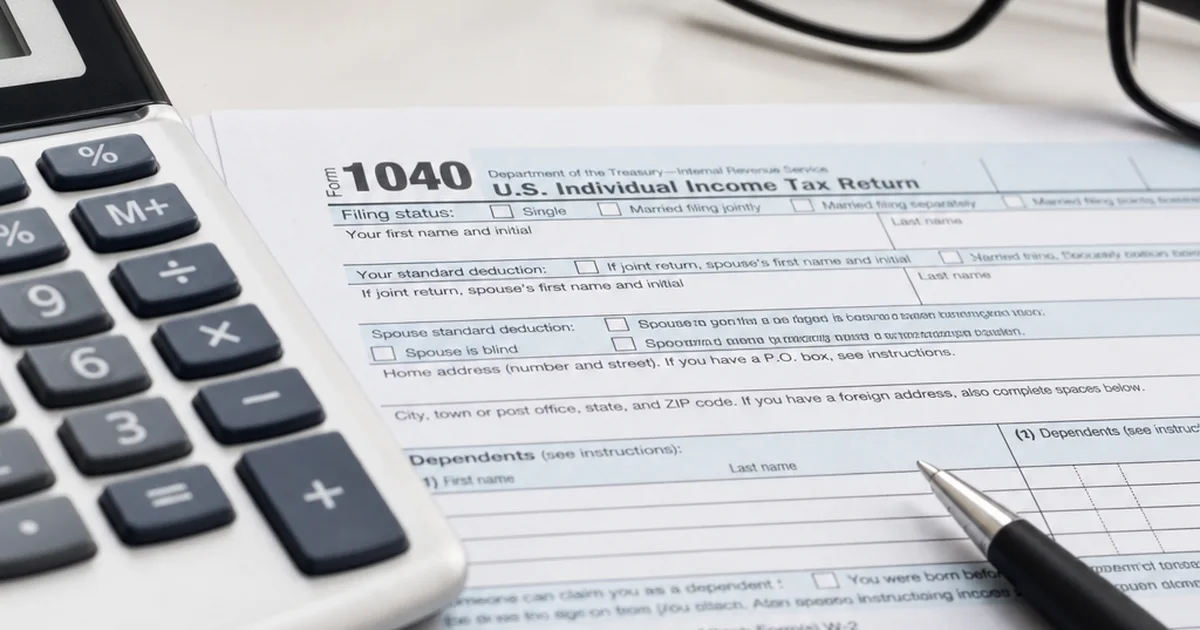
Taxpayers who fall behind can often reduce or eliminate penalties through IRS relief programs. First-time penalty abatement erases certain penalties for filers with a clean recent history, and reasonable-cause relief applies when circumstances beyond your control caused the lapse.
Here is the essential point for filers. First-time abatement can remove failure-to-file and failure-to-pay penalties for taxpayers with a clean compliance history.
Penalties for filing or paying late can add significantly to a tax bill, but the IRS maintains long-standing programs to relieve them for taxpayers who generally comply. For most households and businesses, the practical questions are what changes, when, and by how much.
Below, we unpack the news the way a careful adviser would: the context first, then the specifics, then the real-world impact, and finally a short, practical checklist. No hype, no scare tactics — just what you need to make a good decision.
Background: How We Got Here
Penalties for filing or paying late can add significantly to a tax bill, but the IRS maintains long-standing programs to relieve them for taxpayers who generally comply. First-time abatement in particular is widely available yet frequently unclaimed.
Context is what separates a useful reading of tax news from a misleading one. Numbers that sound dramatic in isolation often look routine once placed against the scale of the federal system, and provisions that appear minor can carry outsized consequences for specific groups of filers. Keeping that perspective is the difference between planning and guessing.
With that history in mind, the specifics are what determine how the rule actually lands on a given return. Those are worth walking through carefully, because the difference between a routine filing and an avoidable error usually comes down to a detail or two.
By the Numbers
For filers trying to plan, these are the points that carry the most weight:
- Reasonable-cause relief applies when events like serious illness, disaster, or death prevented compliance.
- Interest on unpaid tax generally continues to accrue even when penalties are abated.
- Relief must usually be requested; it isn't always applied automatically.
Reasonable-cause relief applies when events like serious illness, disaster, or death prevented compliance. For most filers, this is the detail that determines whether the change is worth acting on now or simply noting for next year.
Interest on unpaid tax generally continues to accrue even when penalties are abated. It is a point that is easy to overlook and expensive to get wrong.
Relief must usually be requested; it isn't always applied automatically. Small as it may look, this is where a lot of avoidable mistakes originate.
Taken together, these details point in the same direction: the rule rewards taxpayers who prepare in advance and penalizes those who wait until the last minute. That pattern shows up again and again across the tax code, and it is one of the most reliable guides to getting the outcome you want.
Beyond the Headline
It is tempting to file tax news like this under “nice to know” and move on. That would be a mistake.
Penalties for filing or paying late can add significantly to a tax bill, but the IRS maintains long-standing programs to relieve them for taxpayers who generally comply. First-time abatement in particular is widely available yet frequently unclaimed. For readers, the takeaway is not to memorize every figure but to recognize the pattern: the rules that govern this area reward attention and punish neglect, often quietly and often long after the decision that caused the problem.
Part of what makes this topic worth understanding is how easily it is misunderstood. The gap between what people believe about the tax code and what it actually says is wide, and that gap is where most costly errors live. A clear grasp of the fundamentals is worth more than any last-minute trick.
For policymakers and practitioners alike, developments in this corner of the code are watched closely because they signal where the system is heading. For ordinary filers, the practical lesson is simpler: understanding the direction of travel makes it far easier to plan with confidence instead of scrambling at the deadline.
How It Hits Your Return
For some filers the impact is immediate; for others it is a planning consideration for next year. A few outcomes are worth flagging.
- Filers with an otherwise clean record can often wipe out a first-time penalty by asking.
- Documenting a genuine hardship strengthens a reasonable-cause request.
- Even with penalty relief, paying the underlying tax and interest is still required.
Filers with an otherwise clean record can often wipe out a first-time penalty by asking. How much that matters comes down to the specifics of your return, and that is precisely why generic advice is a poor substitute for looking at your own situation.
Documenting a genuine hardship strengthens a reasonable-cause request. Filers who account for this alongside the primary change avoid the common trap of solving one problem while quietly creating another.
How it looks in practice
Consider a salaried worker with a straightforward return. For this filer, the change usually shows up as a single line item — a slightly different refund or balance due — rather than a reason to overhaul anything. The right response is to confirm the numbers and file as usual.
The through-line across these cases is the same: the more moving parts on your return, the more this rule rewards a few minutes of planning. Simplicity forgives haste; complexity does not.
Misreadings That Cost Money
Before moving on, it is worth correcting the misreadings that trip filers up most often.
Can IRS penalties be removed?
Often, yes. First-time abatement erases certain penalties for filers with a clean recent history, and reasonable-cause relief applies when events beyond your control caused the lapse.
Does penalty relief also cancel interest?
Generally no. Interest on unpaid tax usually keeps accruing even when penalties are removed, so paying the balance promptly still matters.
Turning This Into Action
None of this requires a tax degree to act on. A short, deliberate checklist covers most situations:
- If you're normally compliant, ask about first-time penalty abatement.
- Gather documentation — medical records, disaster declarations — for reasonable-cause requests.
- Pay the tax as soon as possible to stop interest from growing.
As always, individual circumstances vary, and a qualified tax professional can confirm how the rules on behind taxes the IRS's penalty apply to your specific return.
The bottom line on behind taxes the IRS's penalty: it is manageable for almost every filer who approaches it with a little preparation. The rules can look intimidating from a distance, but broken into the steps above they become a short, ordinary part of getting your return right. A few minutes of attention now prevents the far larger cost of fixing a mistake later.
The Outlook
The story of behind taxes the IRS's penalty is unlikely to end with this development. Lawmakers and the agency both revisit these questions on a predictable cadence, and each pass can nudge the thresholds, deadlines, or eligibility rules. Treating today's answer as a snapshot rather than a permanent fixture is the realistic posture.
The practical close on behind taxes the IRS's penalty: bookmark the official guidance, keep clean records through the year, and treat each new update as a prompt to confirm rather than assume. That discipline turns an anxious annual ritual into a manageable set of decisions you already understand.
What matters most
- First-time abatement can remove failure-to-file and failure-to-pay penalties for taxpayers with a clean compliance history.
- Filers with an otherwise clean record can often wipe out a first-time penalty by asking.
- Relief must usually be requested; it isn't always applied automatically.
- Even with penalty relief, paying the underlying tax and interest is still required.
- If you're normally compliant, ask about first-time penalty abatement.
Taxpayer questions
Can IRS penalties be removed?
Does penalty relief also cancel interest?
References
This article draws on official, primary sources. Figures and rules change — always confirm current amounts and deadlines with the IRS or a qualified professional.