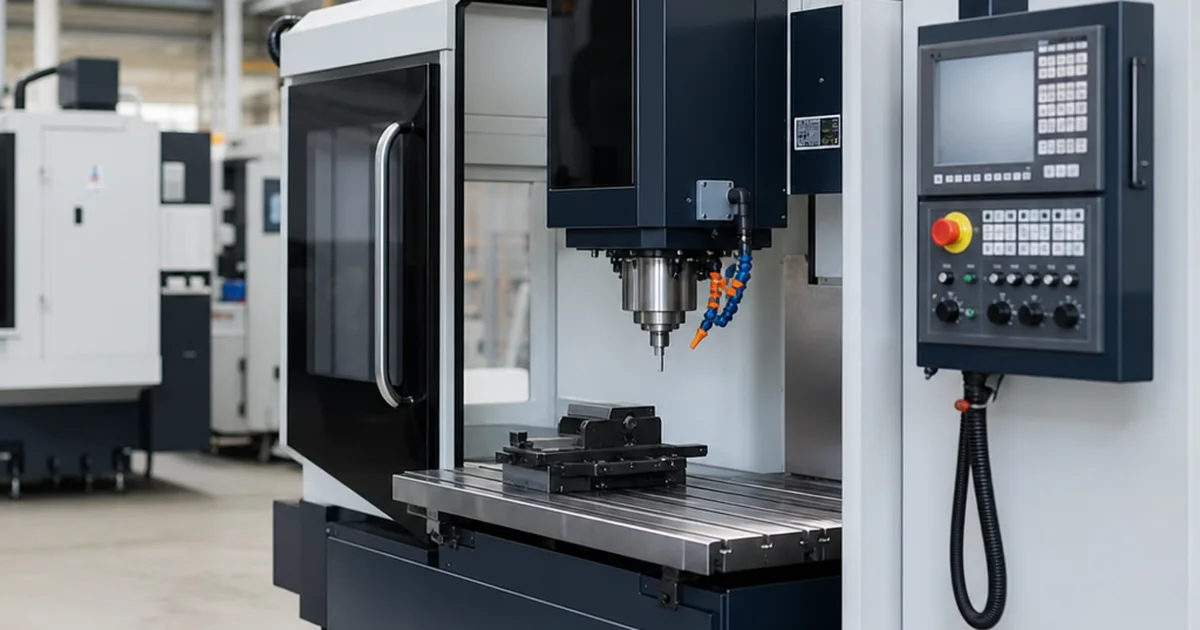
Section 179 and bonus depreciation let businesses deduct the cost of equipment faster than the usual multiyear schedule — sometimes all at once. These provisions encourage investment but come with annual limits and phase-downs.
The core detail is simple enough. Section 179 lets businesses expense the cost of qualifying equipment up to an annual limit.
Normally, businesses recover the cost of equipment through depreciation over years. For most households and businesses, the practical questions are what changes, when, and by how much.
Below, we unpack the news the way a careful adviser would: the context first, then the specifics, then the real-world impact, and finally a short, practical checklist. No hype, no scare tactics — just what you need to make a good decision.
The Backdrop
Normally, businesses recover the cost of equipment through depreciation over years. Section 179 and bonus depreciation accelerate that, improving cash flow for businesses that invest in machinery, vehicles, and technology.
Context is what separates a useful reading of tax news from a misleading one. Numbers that sound dramatic in isolation often look routine once placed against the scale of the federal system, and provisions that appear minor can carry outsized consequences for specific groups of filers. Keeping that perspective is the difference between planning and guessing.
With that history in mind, the specifics are what determine how the rule actually lands on a given return. Those are worth walking through carefully, because the difference between a routine filing and an avoidable error usually comes down to a detail or two.
What the Change Actually Involves
For filers trying to plan, these are the points that carry the most weight:
- Bonus depreciation allows an additional immediate deduction on eligible property.
- Bonus depreciation is phasing down from 100 percent over several years.
- Section 179 is limited to business income and phases out above a spending cap.
Bonus depreciation allows an additional immediate deduction on eligible property. This is the kind of specific that tax professionals check first, because it drives so much of what follows.
Bonus depreciation is phasing down from 100 percent over several years. Filers who plan around this detail tend to fare noticeably better than those who ignore it.
Section 179 is limited to business income and phases out above a spending cap. That figure is not arbitrary; it reflects the way the provision is written and the policy goals behind it.
Taken together, these details point in the same direction: the rule rewards taxpayers who prepare in advance and penalizes those who wait until the last minute. That pattern shows up again and again across the tax code, and it is one of the most reliable guides to getting the outcome you want.
Why It Matters
It is tempting to file tax news like this under “nice to know” and move on. That would be a mistake.
Normally, businesses recover the cost of equipment through depreciation over years. Section 179 and bonus depreciation accelerate that, improving cash flow for businesses that invest in machinery, vehicles, and technology. For readers, the takeaway is not to memorize every figure but to recognize the pattern: the rules that govern this area reward attention and punish neglect, often quietly and often long after the decision that caused the problem.
Part of what makes this topic worth understanding is how easily it is misunderstood. The gap between what people believe about the tax code and what it actually says is wide, and that gap is where most costly errors live. A clear grasp of the fundamentals is worth more than any last-minute trick.
Analysts tend to read changes like this as part of a longer arc rather than a one-off. Whether or not you follow the policy debate, the practical benefit of that perspective is real — it turns tax season from an annual source of anxiety into a set of decisions you can actually manage.
What This Means at Tax Time
For some filers the impact is immediate; for others it is a planning consideration for next year. A few outcomes are worth flagging.
- Businesses can deduct big equipment costs sooner, aiding cash flow.
- The phase-down of bonus depreciation reduces the immediate write-off over time.
- Section 179 can't create a loss and has spending limits.
Businesses can deduct big equipment costs sooner, aiding cash flow. How much that matters comes down to the specifics of your return, and that is precisely why generic advice is a poor substitute for looking at your own situation.
The phase-down of bonus depreciation reduces the immediate write-off over time. Filers who account for this alongside the primary change avoid the common trap of solving one problem while quietly creating another.
How it looks in practice
Consider a salaried worker with a straightforward return. For this filer, the change usually shows up as a single line item — a slightly different refund or balance due — rather than a reason to overhaul anything. The right response is to confirm the numbers and file as usual.
The through-line across these cases is the same: the more moving parts on your return, the more this rule rewards a few minutes of planning. Simplicity forgives haste; complexity does not.
Clearing Up the Confusion
Before moving on, it is worth correcting the misreadings that trip filers up most often.
What is Section 179?
A rule that lets businesses deduct the cost of qualifying equipment in the year it's placed in service, up to an annual limit, instead of depreciating it over years.
What is bonus depreciation?
An additional immediate deduction on eligible property. It's phasing down from 100 percent over several years, reducing the upfront write-off.
Your Action Checklist
None of this requires a tax degree to act on. A short, deliberate checklist covers most situations:
- Time equipment purchases to make the most of available deductions.
- Track how bonus depreciation's phase-down affects your write-off.
- Confirm assets qualify before claiming accelerated deductions.
Everyone's return is different, so treat the steps above as a starting point on section bonus depreciation and confirm the specifics with a preparer or the IRS if your situation is unusual.
The bottom line on section bonus depreciation: it is manageable for almost every filer who approaches it with a little preparation. The rules can look intimidating from a distance, but broken into the steps above they become a short, ordinary part of getting your return right. A few minutes of attention now prevents the far larger cost of fixing a mistake later.
What to Watch Next
Expect the specifics of section bonus depreciation to keep evolving. Between statutory changes, agency guidance, and annual inflation updates, the numbers move even when the underlying principles hold steady. Building a short yearly check into your routine is the most reliable way to stay ahead of those shifts rather than chasing them.
Where section bonus depreciation is concerned, the payoff comes from steady attention, not last-minute scrambling. Note the current figures, flag the dates that apply to you, and check back when the agency releases next year's numbers. Income Tax Centre will continue reporting the updates as they are confirmed.
What matters most
- Section 179 lets businesses expense the cost of qualifying equipment up to an annual limit.
- Businesses can deduct big equipment costs sooner, aiding cash flow.
- Section 179 is limited to business income and phases out above a spending cap.
- Section 179 can't create a loss and has spending limits.
- Time equipment purchases to make the most of available deductions.
Taxpayer questions
What is Section 179?
What is bonus depreciation?
References
This article draws on official, primary sources. Figures and rules change — always confirm current amounts and deadlines with the IRS or a qualified professional.