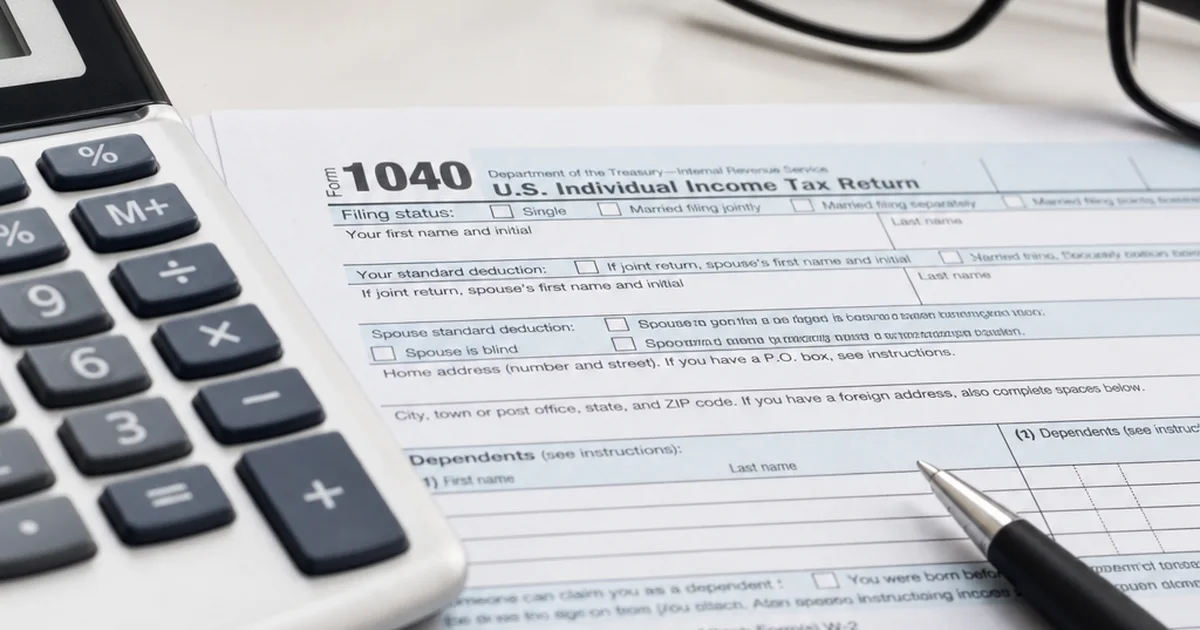
Good recordkeeping protects businesses in an audit and ensures they claim every deduction. The IRS generally recommends keeping records for at least three years, and longer in specific situations involving losses, property, or unreported income.
At the center of it is a straightforward fact: the IRS generally advises keeping records for at least three years.
The three-year figure matches the usual window in which the IRS can audit a return, but exceptions extend it. The rest of this report walks through what it means in plain terms.
This report lays out the essentials in order: the background that explains why the rule looks the way it does, the specific details that determine how it applies, who stands to gain or lose, and the concrete steps to take before you file. The goal is a clear, accurate picture you can act on — not a wall of jargon.
The Story So Far
The three-year figure matches the usual window in which the IRS can audit a return, but exceptions extend it. Digital recordkeeping has made long-term storage far easier than boxes of paper.
To understand why this matters, it helps to step back from the day-to-day mechanics of filing. The U.S. tax system is built on a mix of statute passed by Congress, regulations issued by the Treasury Department, and administrative guidance from the IRS. A change in any one of those layers ripples through the others, which is why a seemingly narrow adjustment can reshape decisions for millions of filers.
History explains the shape of the rule; the details decide its effect. The next section lays out exactly what the current provisions say, in plain terms, so the practical consequences are easy to see.
The Numbers Behind the Headline
Beyond the headline, a handful of specifics shape how this plays out for real taxpayers:
- Records tied to property should be kept until the period of limitations for the year you dispose of it.
- Employment tax records should generally be kept for at least four years.
- Longer retention applies where substantial income was underreported.
Records tied to property should be kept until the period of limitations for the year you dispose of it. Filers who plan around this detail tend to fare noticeably better than those who ignore it.
Employment tax records should generally be kept for at least four years. That figure is not arbitrary; it reflects the way the provision is written and the policy goals behind it.
Reading Between the Lines
There is a reason careful filers pay attention to developments like this one rather than waiting for a reminder.
The three-year figure matches the usual window in which the IRS can audit a return, but exceptions extend it. Digital recordkeeping has made long-term storage far easier than boxes of paper. For readers, the takeaway is not to memorize every figure but to recognize the pattern: the rules that govern this area reward attention and punish neglect, often quietly and often long after the decision that caused the problem.
The stakes are higher than the numbers alone suggest because tax decisions compound. A choice made this year can shape refunds, penalties, and options for years afterward. That long tail is exactly why it pays to understand the reasoning now rather than reacting later.
What It Means for Small Businesses
The consequences show up in different ways for different people. These are the ones that tend to matter most.
- Records support every deduction and credit you claim.
- Missing records can cost you in an audit.
- Retention periods vary by record type.
Records support every deduction and credit you claim. In dollar terms, the size of that effect depends on income, filing status, and the other items on a return, which is why two households facing the same rule can see very different results.
Setting the Record Straight
A few persistent misunderstandings surround this topic, and clearing them up saves real money and stress.
How long should I keep tax records?
Generally at least three years, but keep employment tax records four years, property records longer, and everything longer if you substantially underreported income.
Can I keep digital tax records?
Yes. Digital records are acceptable as long as they're accurate, complete, and retrievable. Keep backups.
How to Handle It
The right response is usually straightforward. Work through these steps in order:
- Keep tax records at least three years, longer for property and payroll.
- Store records digitally with backups.
- Organize by year and category for easy retrieval.
This is general information, not personalized advice; for anything unusual about recordkeeping taxes, check with a tax professional or the IRS directly.
In the end, recordkeeping taxes is less about memorizing numbers than about knowing where to verify them. Anchor your decisions in official guidance and the rest tends to fall into place.
What matters most
- The IRS generally advises keeping records for at least three years.
- Records support every deduction and credit you claim.
- Longer retention applies where substantial income was underreported.
- Retention periods vary by record type.
- Keep tax records at least three years, longer for property and payroll.
Taxpayer questions
How long should I keep tax records?
Can I keep digital tax records?
References
This article draws on official, primary sources. Figures and rules change — always confirm current amounts and deadlines with the IRS or a qualified professional.