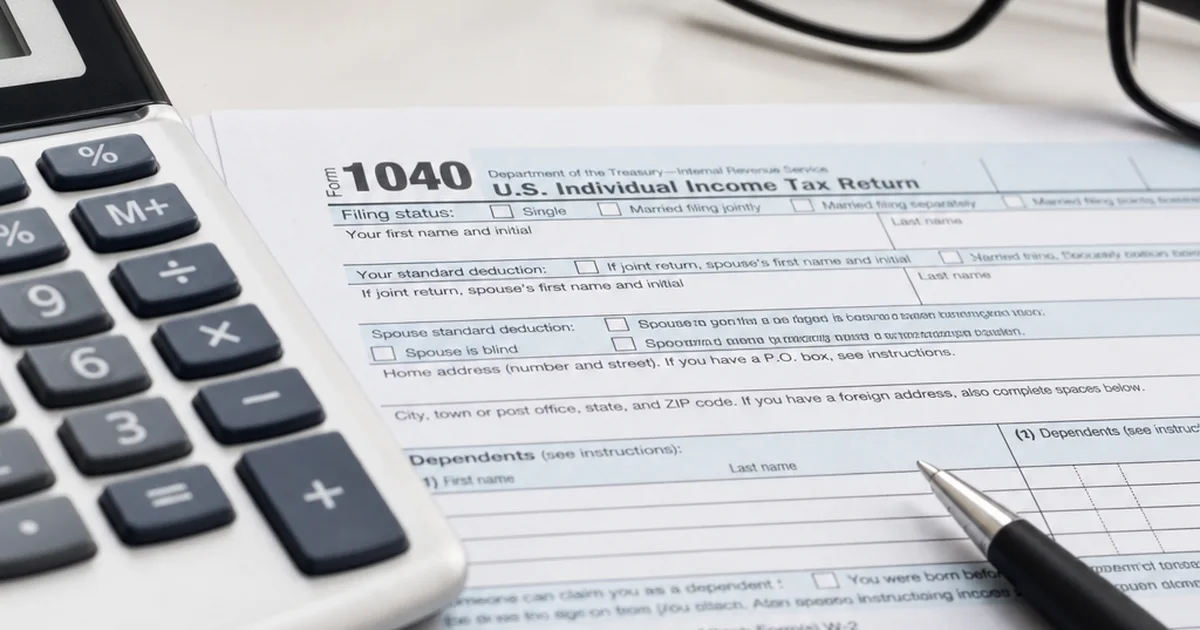
Withholding is the system that takes federal tax out of each paycheck so you pay as you earn. The amount is set by your W-4, and it determines whether you get a refund or owe a balance when you file.
The core detail is simple enough. Employers withhold federal income tax from wages based on your W-4.
Withholding exists so the government collects tax steadily rather than in one lump sum. The rest of this report walks through what it means in plain terms.
This report lays out the essentials in order: the background that explains why the rule looks the way it does, the specific details that determine how it applies, who stands to gain or lose, and the concrete steps to take before you file. The goal is a clear, accurate picture you can act on — not a wall of jargon.
The Backdrop
Withholding exists so the government collects tax steadily rather than in one lump sum. It's why a refund isn't a windfall — it's an overpayment returned — and why a surprise bill usually means too little was withheld.
To understand why this matters, it helps to step back from the day-to-day mechanics of filing. The U.S. tax system is built on a mix of statute passed by Congress, regulations issued by the Treasury Department, and administrative guidance from the IRS. A change in any one of those layers ripples through the others, which is why a seemingly narrow adjustment can reshape decisions for millions of filers.
History explains the shape of the rule; the details decide its effect. The next section lays out exactly what the current provisions say, in plain terms, so the practical consequences are easy to see.
What the Change Actually Involves
Beyond the headline, a handful of specifics shape how this plays out for real taxpayers:
- Withholding also covers Social Security and Medicare taxes.
- Too little withholding leads to a balance due; too much leads to a refund.
- The pay-as-you-go system spreads tax across the year.
Withholding also covers Social Security and Medicare taxes. It is a point that is easy to overlook and expensive to get wrong.
Too little withholding leads to a balance due; too much leads to a refund. Small as it may look, this is where a lot of avoidable mistakes originate.
Why It Matters
There is a reason careful filers pay attention to developments like this one rather than waiting for a reminder.
Withholding exists so the government collects tax steadily rather than in one lump sum. It's why a refund isn't a windfall — it's an overpayment returned — and why a surprise bill usually means too little was withheld. For readers, the takeaway is not to memorize every figure but to recognize the pattern: the rules that govern this area reward attention and punish neglect, often quietly and often long after the decision that caused the problem.
The stakes are higher than the numbers alone suggest because tax decisions compound. A choice made this year can shape refunds, penalties, and options for years afterward. That long tail is exactly why it pays to understand the reasoning now rather than reacting later.
What Filers Will Notice
The consequences show up in different ways for different people. These are the ones that tend to matter most.
- Withholding shapes your refund or balance due.
- Your W-4 controls how much comes out.
- Life changes can throw withholding off.
Withholding shapes your refund or balance due. In dollar terms, the size of that effect depends on income, filing status, and the other items on a return, which is why two households facing the same rule can see very different results.
Clearing Up the Confusion
A few persistent misunderstandings surround this topic, and clearing them up saves real money and stress.
What is tax withholding?
It's the federal tax your employer takes from each paycheck based on your W-4, so you pay tax as you earn rather than all at once at filing.
Why do I owe taxes even though tax is withheld?
Usually because too little was withheld. Adjusting your W-4 or making estimated payments can prevent a balance due.
Your Action Checklist
The right response is usually straightforward. Work through these steps in order:
- Review your W-4 after major life or income changes.
- Use the IRS Withholding Estimator to fine-tune it.
- Aim to break roughly even at filing.
Everyone's return is different, so treat the steps above as a starting point on withholding and confirm the specifics with a preparer or the IRS if your situation is unusual.
Bottom line on withholding: a little preparation beats a lot of correction. Read the rule, check your own numbers, and confirm anything unusual before you file.
What matters most
- Employers withhold federal income tax from wages based on your W-4.
- Withholding shapes your refund or balance due.
- The pay-as-you-go system spreads tax across the year.
- Life changes can throw withholding off.
- Review your W-4 after major life or income changes.
Taxpayer questions
What is tax withholding?
Why do I owe taxes even though tax is withheld?
References
This article draws on official, primary sources. Figures and rules change — always confirm current amounts and deadlines with the IRS or a qualified professional.