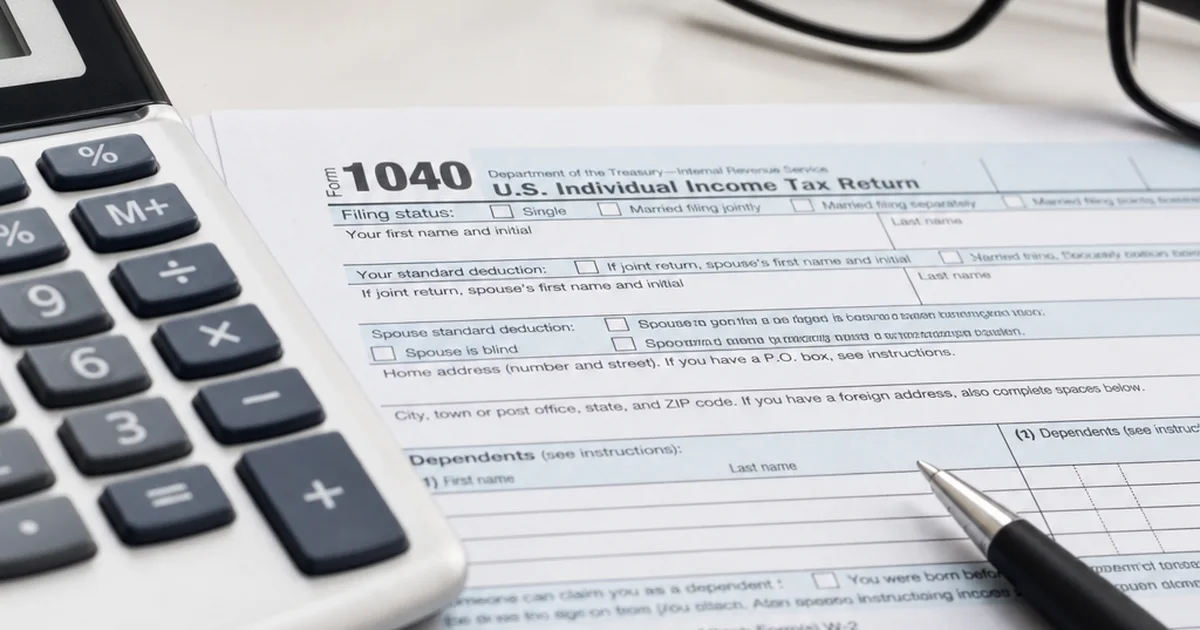
Simple filing mistakes delay refunds and invite IRS notices. The most common errors include wrong Social Security numbers, misspelled names, math mistakes, incorrect bank details, choosing the wrong filing status, and forgetting to sign a paper return.
Here is the essential point for filers. Incorrect or missing Social Security numbers are among the most common errors.
Tax software catches many arithmetic and formatting errors automatically, which is why e-filed returns have dramatically lower error rates than paper ones. That backdrop is what makes the details worth understanding rather than skimming.
What follows is a plain-language breakdown: where this came from, exactly what it says, how it affects different kinds of filers, and what to do about it. Every figure below traces back to official guidance, so you can rely on it when you sit down to file.
The Path to This Point
Tax software catches many arithmetic and formatting errors automatically, which is why e-filed returns have dramatically lower error rates than paper ones. Still, human inputs like names, numbers, and filing status remain error-prone.
The broader picture is worth holding in mind. Tax rules rarely change in isolation; an adjustment in one provision often interacts with deductions, credits, and thresholds elsewhere in the code. That interconnection is exactly why taxpayers who understand the reasoning behind a rule tend to make better decisions than those who simply react to the headline figure.
Understanding where this comes from makes the particulars easier to follow. The specifics below are the part that translates policy into a real number on your return.
The Key Details
The details reward a close read. Here is what stands out:
- Math mistakes are far more frequent on paper returns than e-filed ones.
- Wrong bank account numbers can misdirect or delay a refund.
- Unsigned paper returns are considered invalid.
Math mistakes are far more frequent on paper returns than e-filed ones. Small as it may look, this is where a lot of avoidable mistakes originate.
Wrong bank account numbers can misdirect or delay a refund. This is the kind of specific that tax professionals check first, because it drives so much of what follows.
Unsigned paper returns are considered invalid. Filers who plan around this detail tend to fare noticeably better than those who ignore it.
What links these points is timing and documentation. In practice, the filers who come out ahead are rarely the ones with the most complicated strategies; they are the ones who understood the rule early and kept clean records. That is the quiet advantage this section is meant to hand you.
Why It Pays to Pay Attention
The significance of this goes beyond a single filing season.
Tax software catches many arithmetic and formatting errors automatically, which is why e-filed returns have dramatically lower error rates than paper ones. Still, human inputs like names, numbers, and filing status remain error-prone. For readers, the takeaway is not to memorize every figure but to recognize the pattern: the rules that govern this area reward attention and punish neglect, often quietly and often long after the decision that caused the problem.
This is also where misinformation does the most damage. Social media and search results are full of confident claims about how this works — many of them outdated, oversimplified, or quietly selling a product. Anchoring your understanding in official guidance is the single best defense against advice that sounds authoritative but costs you money.
For policymakers and practitioners alike, developments in this corner of the code are watched closely because they signal where the system is heading. For ordinary filers, the practical lesson is simpler: understanding the direction of travel makes it far easier to plan with confidence instead of scrambling at the deadline.
The Practical Impact
The effects are not evenly distributed. Depending on your situation, this could mean a larger refund, a smaller bill, or simply a different set of steps at filing time.
- Errors are the leading controllable cause of refund delays.
- Some mistakes trigger IRS notices that take time to resolve.
- Wrong bank details can send a refund to the wrong place.
Errors are the leading controllable cause of refund delays. The practical size of that effect varies from one return to the next, so the smart move is to run your own numbers rather than assume the headline outcome applies to you.
Some mistakes trigger IRS notices that take time to resolve. Effects like this one tend to surface a little later than the obvious change, which is precisely why planning ahead pays off.
How it looks in practice
Picture a filer who itemizes or has self-employment income. For this group the details carry more weight, and a short conversation with a preparer — or careful use of the IRS's own tools — can prevent an expensive surprise later.
By contrast, filers whose situations are more complex — multiple states, business income, large one-time events — should treat this as a prompt to plan, not just to file. The cost of a short review is almost always smaller than the cost of an error discovered months later.
Where Filers Go Wrong
Some of the most common questions about this reveal where the confusion tends to cluster. A couple are worth addressing head-on.
What are the most common tax filing mistakes?
Wrong Social Security numbers, misspelled names, math errors, incorrect bank details, the wrong filing status, and unsigned paper returns.
How can I avoid tax filing errors?
E-file to catch math mistakes, carefully verify names, numbers, and bank details, confirm your filing status, and review before submitting.
What to Do About It
Turning the news into action is the part that pays off. Start here:
- Double-check names, Social Security numbers, and bank details.
- E-file to eliminate most math errors.
- Review your filing status and sign the return before submitting.
As always, individual circumstances vary, and a qualified tax professional can confirm how the rules on most common tax apply to your specific return.
Reduced to a sentence, most common tax rewards preparation over panic. Work the checklist, keep the paperwork that supports each figure, and you convert a source of anxiety into a routine task. The filers who lose money here are rarely the ones who planned; they are the ones who guessed.
On the Horizon
The story of most common tax is unlikely to end with this development. Lawmakers and the agency both revisit these questions on a predictable cadence, and each pass can nudge the thresholds, deadlines, or eligibility rules. Treating today's answer as a snapshot rather than a permanent fixture is the realistic posture.
The practical close on most common tax: bookmark the official guidance, keep clean records through the year, and treat each new update as a prompt to confirm rather than assume. That discipline turns an anxious annual ritual into a manageable set of decisions you already understand.
What matters most
- Incorrect or missing Social Security numbers are among the most common errors.
- Errors are the leading controllable cause of refund delays.
- Unsigned paper returns are considered invalid.
- Wrong bank details can send a refund to the wrong place.
- Double-check names, Social Security numbers, and bank details.
Taxpayer questions
What are the most common tax filing mistakes?
How can I avoid tax filing errors?
References
This article draws on official, primary sources. Figures and rules change — always confirm current amounts and deadlines with the IRS or a qualified professional.