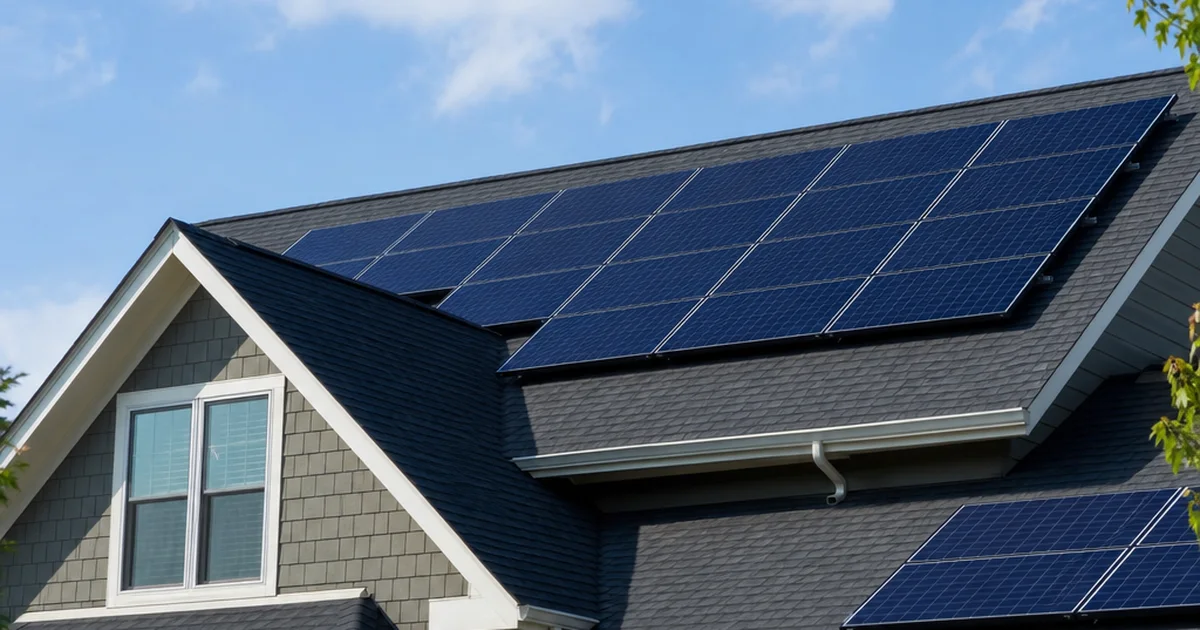
Federal clean-energy tax credits reward households and businesses for buying electric vehicles, installing solar panels, and making homes more efficient. A 2022 law expanded and reshaped many of these credits, though eligibility rules can be complex.
The core detail is simple enough. Tax credits are available for qualifying electric vehicles, home solar, and energy-efficiency improvements.
Clean-energy credits use the tax system as climate and industrial policy, aiming to lower emissions and build domestic supply chains. That backdrop is what makes the details worth understanding rather than skimming.
What follows is a plain-language breakdown: where this came from, exactly what it says, how it affects different kinds of filers, and what to do about it. Every figure below traces back to official guidance, so you can rely on it when you sit down to file.
Where This Started
Clean-energy credits use the tax system as climate and industrial policy, aiming to lower emissions and build domestic supply chains. The rules, especially for EVs, have grown intricate, with eligibility tied to income, price caps, and where components are made.
The broader picture is worth holding in mind. Tax rules rarely change in isolation; an adjustment in one provision often interacts with deductions, credits, and thresholds elsewhere in the code. That interconnection is exactly why taxpayers who understand the reasoning behind a rule tend to make better decisions than those who simply react to the headline figure.
Understanding where this comes from makes the particulars easier to follow. The specifics below are the part that translates policy into a real number on your return.
What's Actually in the Rule
The details reward a close read. Here is what stands out:
- The 2022 Inflation Reduction Act expanded and extended many clean-energy credits.
- The EV credit added requirements on vehicle assembly, battery sourcing, and buyer income.
- Buyers can now transfer some EV credits to dealers for an upfront discount.
The 2022 Inflation Reduction Act expanded and extended many clean-energy credits. That figure is not arbitrary; it reflects the way the provision is written and the policy goals behind it.
The EV credit added requirements on vehicle assembly, battery sourcing, and buyer income. For most filers, this is the detail that determines whether the change is worth acting on now or simply noting for next year.
Buyers can now transfer some EV credits to dealers for an upfront discount. It is a point that is easy to overlook and expensive to get wrong.
What links these points is timing and documentation. In practice, the filers who come out ahead are rarely the ones with the most complicated strategies; they are the ones who understood the rule early and kept clean records. That is the quiet advantage this section is meant to hand you.
What's Really at Stake
The significance of this goes beyond a single filing season.
Clean-energy credits use the tax system as climate and industrial policy, aiming to lower emissions and build domestic supply chains. The rules, especially for EVs, have grown intricate, with eligibility tied to income, price caps, and where components are made. For readers, the takeaway is not to memorize every figure but to recognize the pattern: the rules that govern this area reward attention and punish neglect, often quietly and often long after the decision that caused the problem.
This is also where misinformation does the most damage. Social media and search results are full of confident claims about how this works — many of them outdated, oversimplified, or quietly selling a product. Anchoring your understanding in official guidance is the single best defense against advice that sounds authoritative but costs you money.
Analysts tend to read changes like this as part of a longer arc rather than a one-off. Whether or not you follow the policy debate, the practical benefit of that perspective is real — it turns tax season from an annual source of anxiety into a set of decisions you can actually manage.
Who Is Affected, and How
The effects are not evenly distributed. Depending on your situation, this could mean a larger refund, a smaller bill, or simply a different set of steps at filing time.
- Buyers can cut the cost of EVs, solar, and efficiency upgrades through credits.
- Complex rules mean not every vehicle or project qualifies.
- The option to transfer EV credits to dealers provides savings at purchase.
Buyers can cut the cost of EVs, solar, and efficiency upgrades through credits. The practical size of that effect varies from one return to the next, so the smart move is to run your own numbers rather than assume the headline outcome applies to you.
Complex rules mean not every vehicle or project qualifies. Effects like this one tend to surface a little later than the obvious change, which is precisely why planning ahead pays off.
How it looks in practice
Picture a filer who itemizes or has self-employment income. For this group the details carry more weight, and a short conversation with a preparer — or careful use of the IRS's own tools — can prevent an expensive surprise later.
By contrast, filers whose situations are more complex — multiple states, business income, large one-time events — should treat this as a prompt to plan, not just to file. The cost of a short review is almost always smaller than the cost of an error discovered months later.
The Myths Worth Busting
Some of the most common questions about this reveal where the confusion tends to cluster. A couple are worth addressing head-on.
What clean-energy tax credits can I claim?
Credits are available for qualifying electric vehicles, home solar systems, and energy-efficiency improvements, many expanded by the 2022 Inflation Reduction Act.
How does the EV tax credit work now?
Eligibility depends on vehicle assembly, battery sourcing, price caps, and buyer income. You may be able to transfer the credit to a dealer for an upfront discount.
Your Move: A Short Checklist
Turning the news into action is the part that pays off. Start here:
- Check current eligibility lists before buying an EV, since qualifying models change.
- Keep receipts and manufacturer certifications for home-energy projects.
- Confirm income limits, which apply to some credits.
Everyone's return is different, so treat the steps above as a starting point on clean energy tax credits and confirm the specifics with a preparer or the IRS if your situation is unusual.
Reduced to a sentence, clean energy tax credits rewards preparation over panic. Work the checklist, keep the paperwork that supports each figure, and you convert a source of anxiety into a routine task. The filers who lose money here are rarely the ones who planned; they are the ones who guessed.
What Comes Next
Expect the specifics of clean energy tax credits to keep evolving. Between statutory changes, agency guidance, and annual inflation updates, the numbers move even when the underlying principles hold steady. Building a short yearly check into your routine is the most reliable way to stay ahead of those shifts rather than chasing them.
Where clean energy tax credits is concerned, the payoff comes from steady attention, not last-minute scrambling. Note the current figures, flag the dates that apply to you, and check back when the agency releases next year's numbers. Income Tax Centre will continue reporting the updates as they are confirmed.
What matters most
- Tax credits are available for qualifying electric vehicles, home solar, and energy-efficiency improvements.
- Buyers can cut the cost of EVs, solar, and efficiency upgrades through credits.
- Buyers can now transfer some EV credits to dealers for an upfront discount.
- The option to transfer EV credits to dealers provides savings at purchase.
- Check current eligibility lists before buying an EV, since qualifying models change.
Taxpayer questions
What clean-energy tax credits can I claim?
How does the EV tax credit work now?
References
This article draws on official, primary sources. Figures and rules change — always confirm current amounts and deadlines with the IRS or a qualified professional.